Category: Circular Economy
-

How Product Design Shapes the Right to Repair and Sustainability
Product design determines whether a device can be repaired, upgraded, and kept in use long enough to avoid unnecessary waste. This article explains the design choices that make repair easier or harder and why they matter for sustainability across the product life cycle.
-
Sharing Economy Emissions Benefits Risks and Rebound Effects
The sharing economy can lower emissions when it increases the use of existing assets and replaces more carbon intensive alternatives. It can also raise emissions when convenience, lower prices, and higher utilization trigger more travel, consumption, or deliveries than before. This article explains the main mechanisms, the conditions under which benefits are real, and the…
-

Circular economy principles: reuse, repair, refurbish and recycle for impact
This article explains how the four core circular economy strategies work in practice, when each delivers the greatest resource and climate benefits, and the measurable actions organizations and communities can take to shift systems from linear to circular.
-
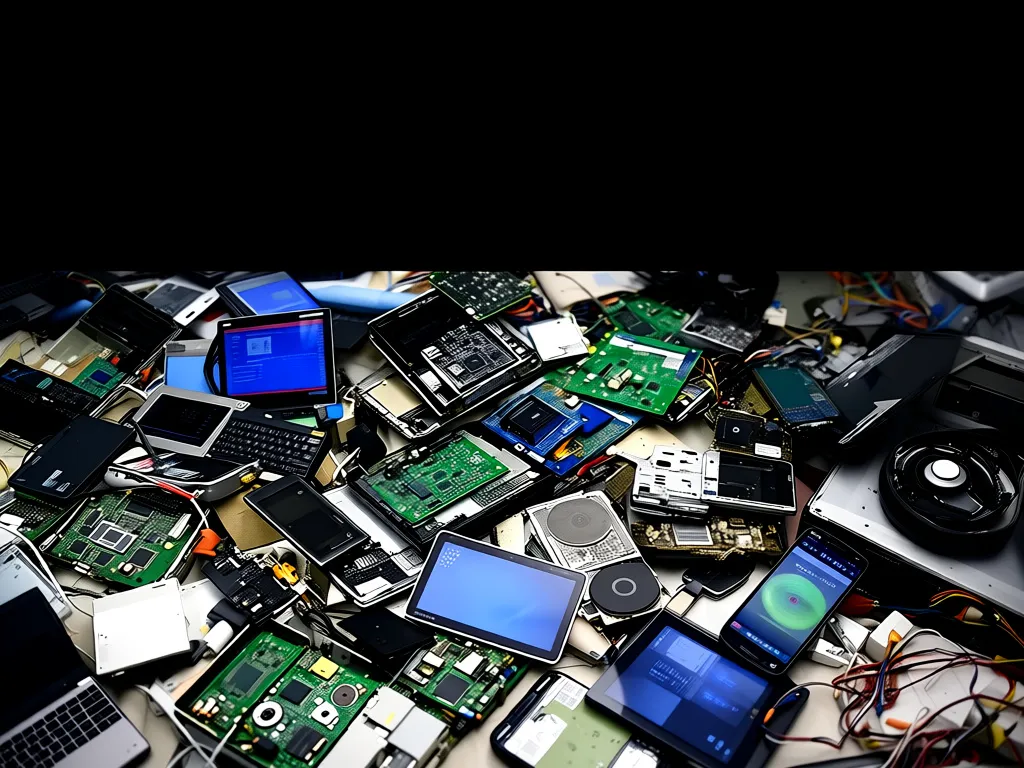
Practical Guide to Reducing Electronic Waste and Managing Device Lifecycles
This article explains practical actions that consumers, businesses and designers can take to reduce electronic waste and extend device lifecycles. Readers will learn clear decision points for buying, maintaining, repairing and disposing devices so materials are preserved and hazards are minimized.
-
Applying Circular Economy Principles to Cut Digital and Physical Waste
A practical guide showing how circular thinking can reduce both electronic waste and digital clutter. Learn actionable design, operations, and procurement steps that product teams, IT managers, and supply chains can use to keep resources in use longer and shrink environmental impact.
-

Choosing Low-Impact Electronics
A practical case study showing how buyers and organizations can pick devices that lower environmental harm. This piece combines lifecycle thinking, recognized certifications, and real-world product examples to help you balance performance, longevity, and social responsibility when choosing phones, laptops, and connected gadgets.
-
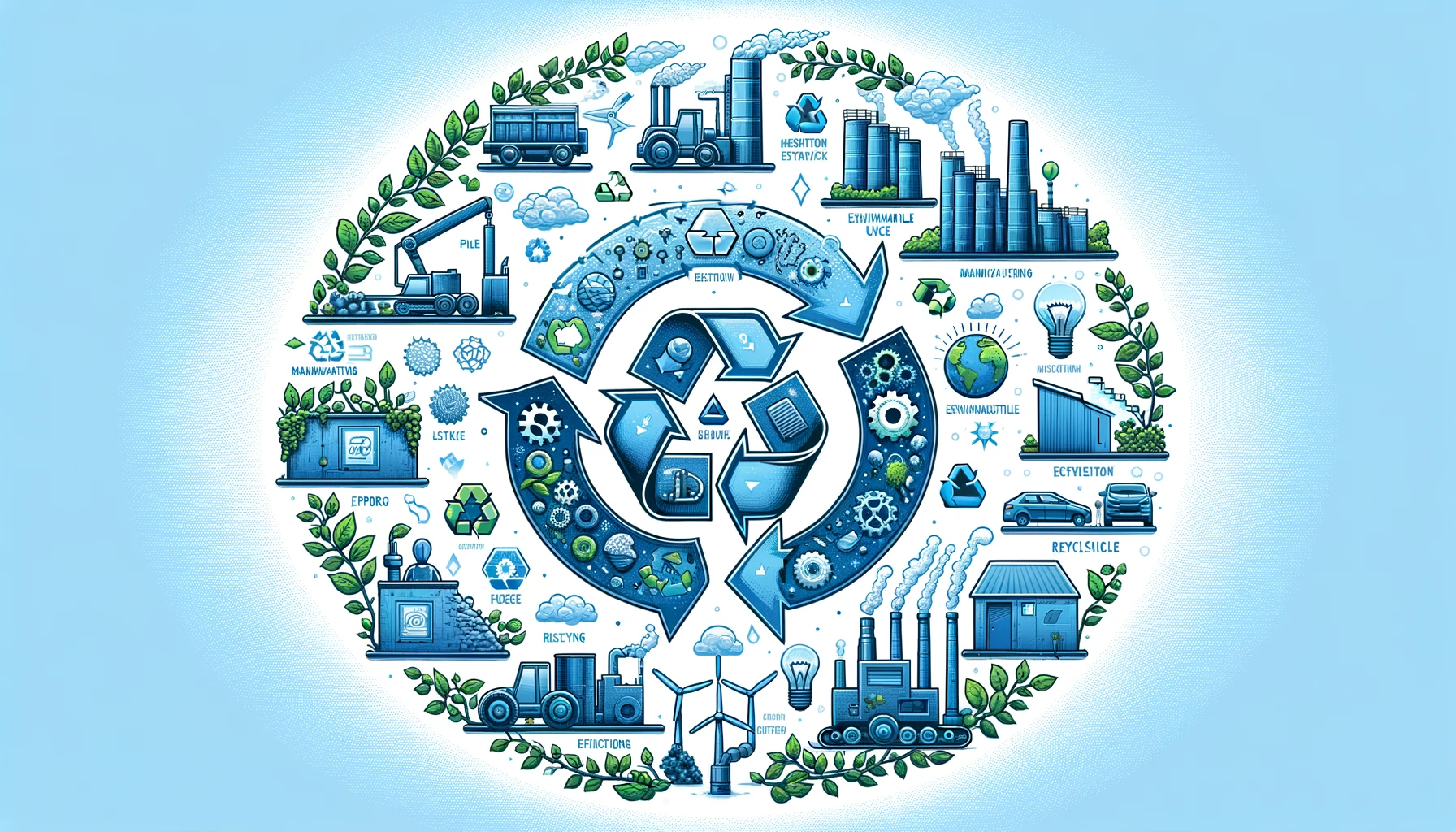
The Role of Lifecycle Assessment in Achieving a Climate-Neutral Circular Economy
The concept of a circular economy is gaining traction as the world grapples with the challenges of climate change and resource depletion. Central to this approach is the Lifecycle Assessment (LCA), a comprehensive method for evaluating the environmental impacts of a product throughout its entire lifecycle. From raw material extraction, manufacturing, and usage, to disposal…