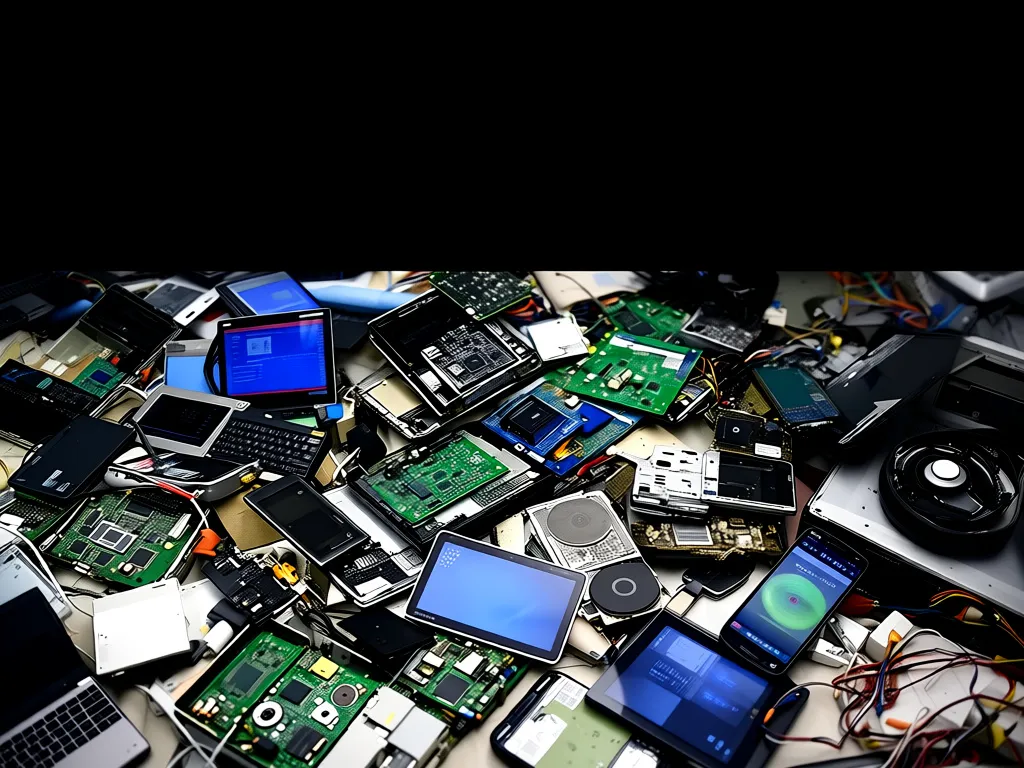
Why electronic waste matters
Electronic waste, often written as e waste, is the fastest growing category of municipal waste in many regions and contains both valuable recoverable materials and hazardous components. When devices are discarded prematurely or handled by informal channels the result can be lost resources, avoidable greenhouse gas emissions and exposure to toxic substances for workers and communities. Reducing the quantity of devices that become waste and increasing the share that are reused or recycled through certified systems lowers environmental harm and preserves material value.
Key environmental and social considerations
Devices contain metals such as copper and rare metals that require energy intensive extraction. Batteries and certain components can release harmful substances if broken or incinerated. Informal recycling can expose people to chemical hazards and contaminate soil and water. At the same time, refurbishing and reuse reduce demand for new manufacture and extend the service provided by existing materials. Those trade offs make device lifespan, repairability and end of life pathways central to credible e waste reduction.
Principles for responsible device lifecycles
Approaches that reduce e waste work at multiple points of the lifecycle. The most effective actions focus first on preventing waste, next on extending useful life through repair and reuse, and finally on ensuring safe downstream recycling. Decisions about design, procurement, software support and asset management all matter because they determine how long a device remains functional and how easy it is to recover materials at end of life.
Design for longevity
Design choices influence how long devices stay useful. Prioritizing durable materials, modular repairable assemblies, replaceable batteries and standard connectors makes repair and refurbishment faster and cheaper. Software and firmware update commitments are equally important. A device that receives security and feature updates for several years can remain in service much longer even if hardware remains constant.
Enable repair and reuse
Repairability requires both physical access and information. That means use of standard fasteners, availability of spare parts, repair manuals and a viable repair network. Policies or business models that restrict independent repair shorten lifespans. Promoting repair shops, certified refurbishers and trade in programs helps devices move from one user to the next instead of becoming waste.
Responsible end of life
When a device reaches the end of its usable life the priority is safe material recovery. Certified recyclers follow processes to remove hazardous elements and recover metals and plastics while protecting workers and the environment. Improper disposal or shipping of e waste to informal processors undermines circularity and creates harm.
Practical steps consumers can take right now
Consumers play a direct role in reducing e waste through purchase choices, maintenance, repair and responsible disposal. Small daily practices accumulate into significant differences when adopted widely.
- Buy with longevity in mind Choose devices from manufacturers that publish promised update windows and provide spare parts and repair guidance.
- Maintain batteries and protect devices Use simple measures such as protective cases, sensible charging habits and avoiding extreme temperatures to extend battery life and reduce accidental damage.
- Repair before replacing Check repair options before buying a replacement. Independent repair shops, manufacturer service centers and community repair events can often restore function at lower cost than replacement.
- Pass on usable devices Donate, sell or trade in working devices after wiping data securely. Reuse keeps materials in productive use and benefits others.
- Recycle through certified channels When a device is truly at end of life, use certified recyclers or official takeback programs to ensure safe material recovery and compliant handling.
What organizations should do to cut e waste from their fleets
Organizations manage large volumes of devices and so have outsized opportunity to reduce e waste. Strategies that change purchasing, asset management and disposal practices can reduce cost and environmental impact.
Procurement for total value
Procurement criteria should include durability, modularity and repair policies alongside price. Evaluating total cost of ownership that includes maintenance, expected lifespan and end of life value creates incentives to choose longer lived equipment. Leasing and device as a service models can align manufacturer incentives with longevity and takeback.
Asset management and reuse
Keep better records of device condition and lifecycle stage. Reassign underused devices internally, refurbish before replacement and create clear pathways for secure data removal followed by redeployment or donation. Centralized refurbishment programs often recover considerable value that would otherwise be lost.
Responsible disposition
Set standards for data sanitization, contract with certified refurbishers and recyclers, and require downstream traceability so you can demonstrate responsible handling. Extended producer responsibility programs and certified takeback services simplify compliance in many jurisdictions.
Design and manufacturing levers that reduce waste at scale
Manufacturers have tools to change how much waste their products create. Technical and policy levers are available that keep device materials circulating longer.
Modularity and repair friendly design
Designing modules that are easy to replace, standardizing connectors and providing repair documentation and parts lists makes field repair and refurbishment feasible. This lowers the threshold for independent repair and second life use.
Long term software support
Software maintenance extends the useful life of hardware. Clear commitments to security and functional updates reduce the need to replace devices for compatibility or safety reasons.
Takeback and refurbishment programs
Offering trade in, buy back or refurbishment services brings devices back into controlled channels where materials can be recovered or reused. Coupling these programs with incentives for consumers improves return rates.
Recycling, certification and safe recovery
Recycling should recover materials while minimizing environmental and human health harm. Certified standards for electronics recycling set expectations for worker safety, environmental protection and traceability. Choosing recyclers certified to recognized standards provides assurance that materials are handled appropriately and that hazardous components are managed according to regulations.
Data security and regulatory compliance
Before sending devices for recycling ensure data is removed in line with legal and organizational requirements. Keep documentation of sanitization and end of life handling to meet audits and regulatory obligations.
Policy levers that help reduce e waste
Public policy accelerates behavioral and market change. Common policy instruments include extended producer responsibility that allocates end of life costs to producers, repairability and durability labeling to inform buyers, and restrictions on hazardous substances to reduce treatment complexity. Policies that support local repair ecosystems and certified recycling infrastructure amplify circular outcomes.
How to choose a recycler or refurbisher
Select partners that can demonstrate certification, transparent downstream chains and responsible data handling. Ask for documentation of environmental and worker safety practices and request evidence of material recovery processes. For organizations that need validation, require contractual commitments and audit rights so that third party claims can be verified.
Quick checklist for responsible device lifecycle decisions
- At purchase compare expected update windows, spare part availability and repair policies in addition to price.
- During use protect devices and follow manufacturer guidance for battery and component care.
- Before replacement check repair, refurbishment and redeployment options.
- When disposing remove user data securely and use certified takeback or recycler channels.
- For organizations implement asset tracking, refurbishment workflows and procurement rules that favor longevity.
Reducing e waste requires coordinated action across design, procurement, repair and recycling. Each actor can choose practical steps today that increase device service life and improve the safety and effectiveness of end of life recovery. Taking these steps preserves material value, reduces environmental risk and lowers the demand for new resource extraction, while often saving money over the long term.