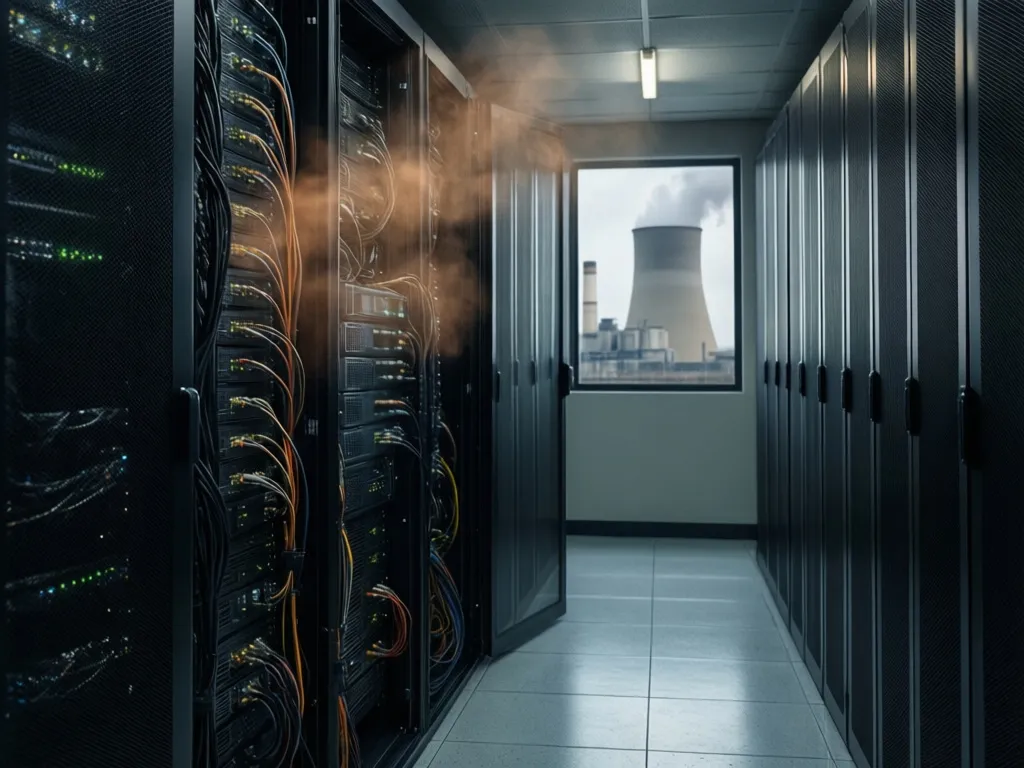
What produces greenhouse gases in the digital ecosystem
The internet is an array of physical systems and activities. Electricity powers servers, networking equipment and end user devices. Materials and manufacturing create embedded emissions long before a device is switched on. Transportation and disposal add further climate costs. Understanding the internets carbon footprint means tracing emissions across those operational and embodied stages and recognizing how software and user behaviour change energy flows.
- Data centres and cloud infrastructure provide the compute and storage that host services and content.
- Networks and transmission move data between users and servers across long and local links.
- End user devices consume electricity to receive, decode and display content and have embodied emissions from manufacture.
- Manufacturing and supply chains contribute emissions through raw materials, fabrication and logistics.
Data centres are electricity users with both operational and embodied impact
Servers, storage drives and supporting infrastructure require continuous power. That power is used directly to run computing tasks and indirectly for cooling, power conversion and backup systems. Facility efficiency metrics describe how much additional energy a data centre uses to support IT equipment, but the core climate relevance is the carbon intensity of the electricity consumed and the frequency and scale of compute tasks. New hardware must also be manufactured which creates embodied emissions that are often reported separately from operational electricity use.
Networks and transmission consume energy across many devices and hops
Data traverses a chain of equipment: local wireless access points or home routers, aggregation switches, long haul optical links and edge or core routers at service providers. Each piece of equipment consumes energy while operating. The energy per gigabyte transferred depends on the network technology, the distance and the efficiency of intermediate equipment. Network design choices such as caching closer to users can reduce energy spent on long distance transmission, while higher resolution streams increase the volume of data that must be carried.
End user devices matter for operational and embodied emissions
Phones, laptops, smart TVs and set top boxes are where most people experience online services. Device electricity use during active sessions and standby adds to operational emissions. The production of those devices involves resource extraction, semiconductor fabrication and assembly steps that are energy intensive. Replacing devices frequently shifts emissions from operational to embodied and increases lifecycle impact unless end of life practices and reuse are strong.
Manufacturing and supply chain emissions are often overlooked
Many emissions occur before a device ever draws current. Mining metals, refining materials, producing semiconductors and assembling components all consume energy and emit greenhouse gases. The complexity of electronics supply chains makes these embodied emissions distributed across regions and sectors, and they are typically accounted for separately from the electricity used during device operation.
Software and usage patterns translate human choices into energy demand
Software defines how hardware is used. Inefficient applications that poll frequently, render unnecessary graphics or stream at higher fidelity than needed increase compute, storage and network load. Conversely well engineered systems can reduce unnecessary cycles, conserve bandwidth and lower the energy required for the same user outcomes. User behaviour influences load too. Background synchronization, automatic updates and high resolution streaming settings multiply data transferred and processed.
Electricity source and timing change emissions even when energy use stays constant
Electricity production methods determine greenhouse gas intensity. The same amount of electricity consumed in two locations can produce very different emissions depending on the generation mix. Power grids that rely heavily on fossil fuels yield higher carbon per kilowatt hour than grids dominated by renewables or low carbon sources. In some regions the grid mix varies hour by hour, so when a service consumes energy can be as important as how much energy it consumes.
Bytes alone are an imperfect proxy for emissions
Counting data volume gives a rough indication of activity, but it does not map directly to emissions. A gigabyte moved between two nearby devices on an efficient wired network can use less energy than a smaller amount of data routed across multiple long distance links. Similarly, the device used to consume content changes the carbon outcome: a short film watched on a large television may use more energy overall than the same film viewed on a small phone, even if the transferred bytes are identical. For accurate assessment, operational electricity and embodied lifecycle impacts must both be considered.
Common misconceptions about digital emissions
The idea that the internet is immaterial leads to several recurring misunderstandings. It is not free of environmental cost because it relies on physical infrastructure. Cloud providers do not automatically mean low emissions; the energy source and utilisation patterns determine actual climate impact. Smaller file sizes always reduce emissions is incomplete because device power, network path and user behaviour also influence outcomes. Finally, an individual action rarely maps neatly to a single avoided tonne of emissions; emissions accounting requires system boundaries and careful attribution.
How to think about reducing digital carbon impact at a systems level
Effective choices start by clarifying what is being counted. Operational emissions arise from electricity consumed by equipment in use. Embodied emissions come from manufacturing and logistics. Decisions that lower overall climate impact address both. Prioritise changes that lower energy consumption where it is most concentrated and where low carbon electricity is unavailable. Improve software and service architecture so compute and network work only when needed. Extend device lifetimes and improve repair and recycling to reduce embodied impact over time. Transparency about boundaries and assumptions prevents double counting and supports credible comparisons.
Questions to ask when evaluating providers and services
When comparing suppliers or services, ask about the carbon intensity of the electricity they use, how they report operational efficiency, and whether they disclose embodied lifecycle impacts for hardware they supply. Request clarity about system boundaries in their reporting, since differences in accounting can make similar services appear very different. Also check whether suppliers publish independent audits or follow recognised reporting standards for energy and emissions.
Where to learn more
Reliable technical sources explain the operational and supply chain drivers in more detail. Energy agency reports describe how much electricity infrastructure consumes and how that changes over time. Research reports from independent think tanks and international monitors cover material flows and e waste. Combining those perspectives gives a fuller picture: operational electricity use, the carbon profile of that electricity, and the embedded emissions in devices and components.
Understanding why the internet has a carbon footprint helps set realistic expectations for mitigation and shows where effort can have the largest effect. Addressing both the electricity that runs services and the materials that build them is essential for credible digital sustainability.