Category: digital-sustainability
-

Digital Minimalism for Storage, Subscriptions, and Cloud Use
Digital minimalism can reduce clutter, cost, and unnecessary resource use when it is applied to storage devices, subscriptions, and cloud services. This article explains how to decide what to keep, what to delete, what to subscribe to, and when local storage or cloud storage makes the most sense.
-
Dark Mode Energy Savings and When It Helps on Phones, Laptops, and Screens
Dark mode can reduce energy use in some displays, especially OLED and similar self emitting screens, but the savings are not universal. This article explains when dark mode can lower power demand, when it makes little difference, and how to judge the real tradeoffs on different devices and in everyday use.
-
How Cloud Storage, Photo Backups, and Data Retention Habits Affect Emissions
Cloud storage can keep photos safe and accessible, but emissions depend on how much data you store, how often it is replicated, and how long you keep files you no longer need. This article explains the main drivers behind the footprint and shows how to build retention habits that reduce unnecessary storage without risking important…
-

On Device AI Versus Cloud AI Sustainability Tradeoffs
On device AI and cloud AI create different sustainability tradeoffs across energy use, hardware demand, data transfer, and product design. This article explains how to compare them in practice, when each approach is likely to be more efficient, and which factors matter most when you are trying to reduce environmental impact without guessing.
-
Digital Sustainability Case Study Template with Before and After Metrics
This article shows how to structure a digital sustainability case study so it is useful, credible, and easy to compare. You will learn what to include before and after, which metrics belong in the story, and how to write lessons that are specific enough to guide future work.
-
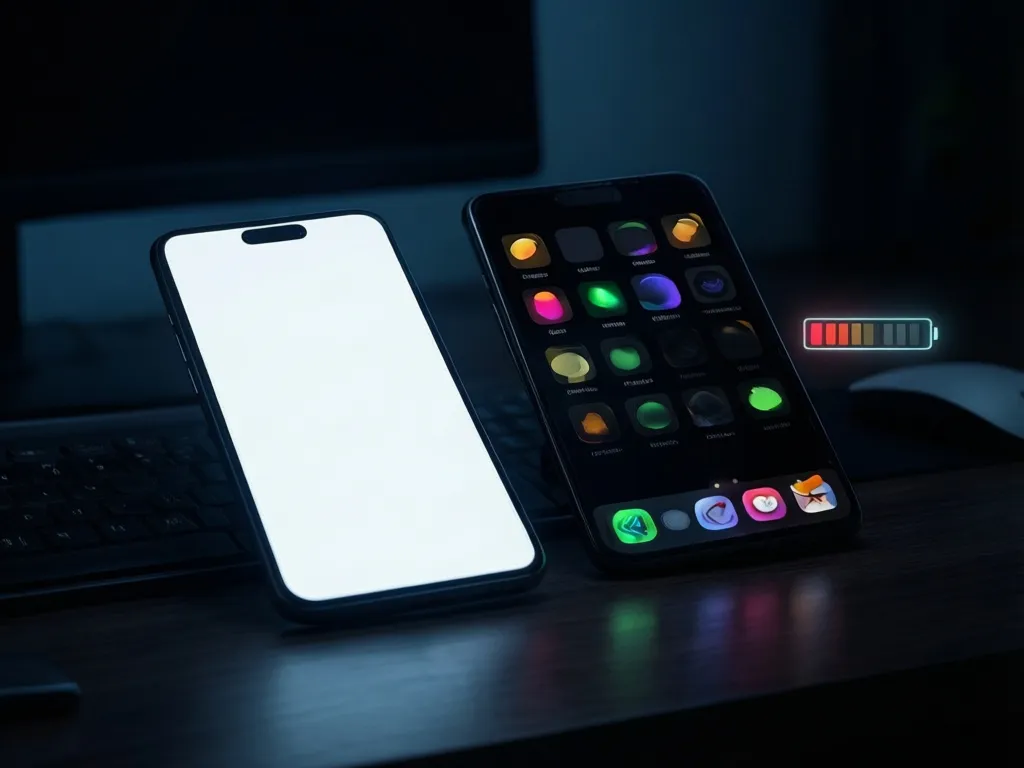
Dark Mode Energy Savings When It Helps and When It Does Not
Dark mode can reduce energy use on some OLED and AMOLED screens, but the size of the benefit depends on brightness, content, device type, and user settings. This article explains when dark mode is likely to save power, when it makes little difference, and how to evaluate the tradeoffs without relying on assumptions.
-
Sustainable AI Product Design and When Not to Use Artificial Intelligence
This article explains how to decide whether AI belongs in a product at all, then shows how to design it more sustainably when it does. You will learn practical criteria for avoiding unnecessary AI, choosing simpler alternatives, and reducing waste in data, compute, and product workflows.
-

Why the Internet Has a Carbon Footprint
This article explains the physical and supply chain processes that make online activity produce greenhouse gas emissions, clarifies common misunderstandings, and outlines the core factors to consider when assessing digital impact.
-
Why Digital Carbon Emissions Are Rising and Why They Matter
Digital activity is no longer climate-neutral. This article unpacks the main forces driving growth in online emissions, explains why the trend matters for businesses and individuals, and outlines practical levers that reduce the climate cost of our digital lives without sacrificing functionality.
-
Low-Emission Digital Product Case Study
A practical, step-by-step examination of how a product team applied eco-centered design choices to cut energy use and emissions across a web service. This case study highlights design decisions, technical trade-offs, measurement tactics, and governance practices that other teams can adapt to make digital products materially greener.