Category: Climate Communication
-

How to Tell Climate Stories With Data Without Overloading Readers
Climate data can make a story clearer, but only when it is chosen and framed carefully. This article explains how to turn emissions, risk, and progress data into a narrative readers can follow, while keeping the message accurate, grounded, and easy to absorb.
-

How to Use Climate Positive Claims Without Misleading People
Climate positive claims can help explain environmental ambition, but they can also mislead if the boundary, baseline, and evidence are unclear. This article shows how to evaluate the meaning of climate positive language, where the risks usually arise, and which more precise alternatives are easier to defend.
-
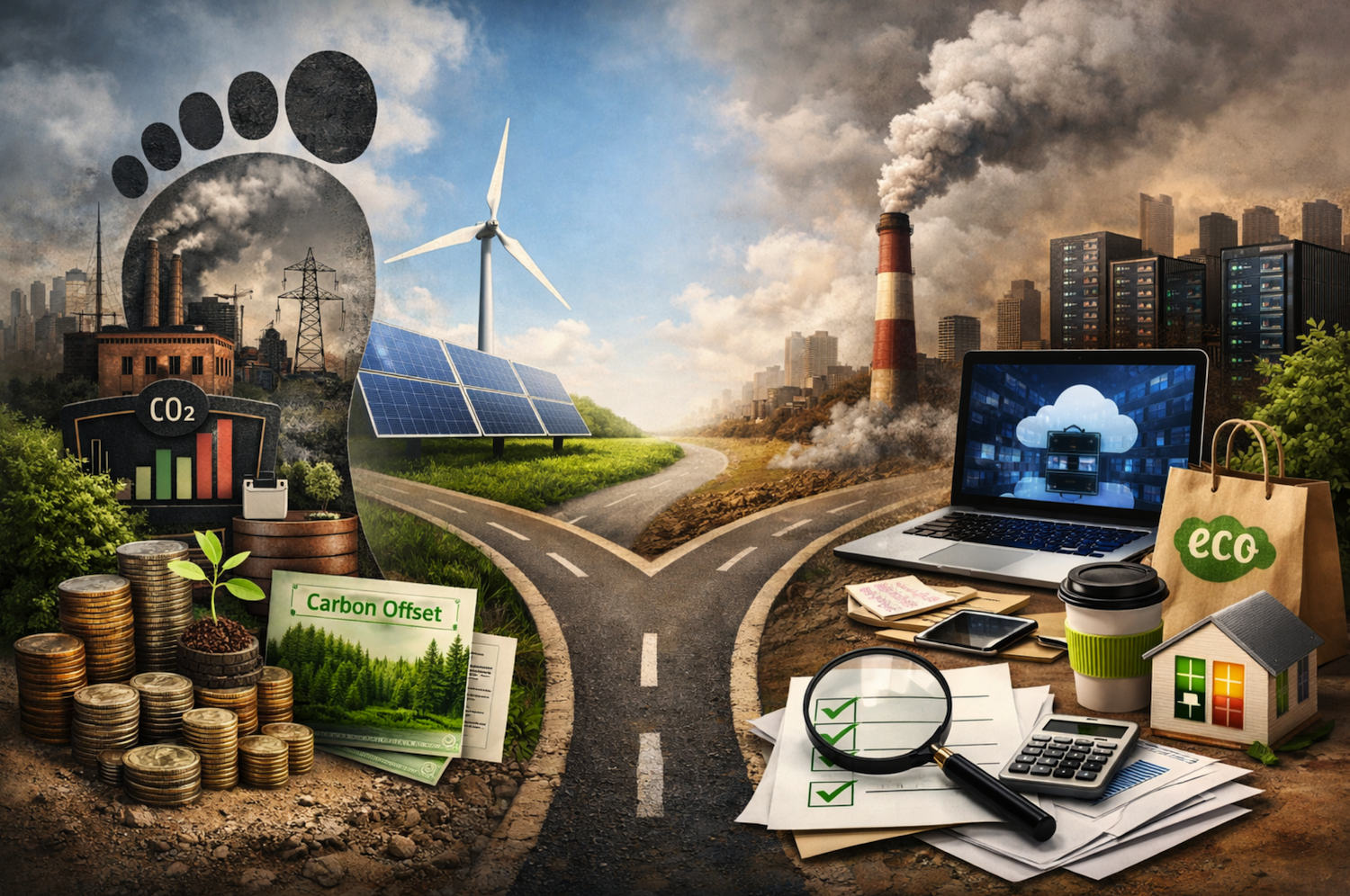
Common Misconceptions About Carbon Footprints and Sustainability
Many widely held beliefs about carbon footprints are oversimplified or outdated. This article dismantles common myths, clarifies how emissions are counted, and points to practical, credible ways individuals and organizations can make meaningful progress toward lower carbon impact.
-
The Psychology of Sustainable Behavior and Building Climate Awareness
Explore the mental forces that shape eco-friendly choices. This research-style piece unpacks cognitive biases, social influences, and habit mechanics that determine whether people act on climate information and offers practical, evidence-informed tactics for nudging lasting change.