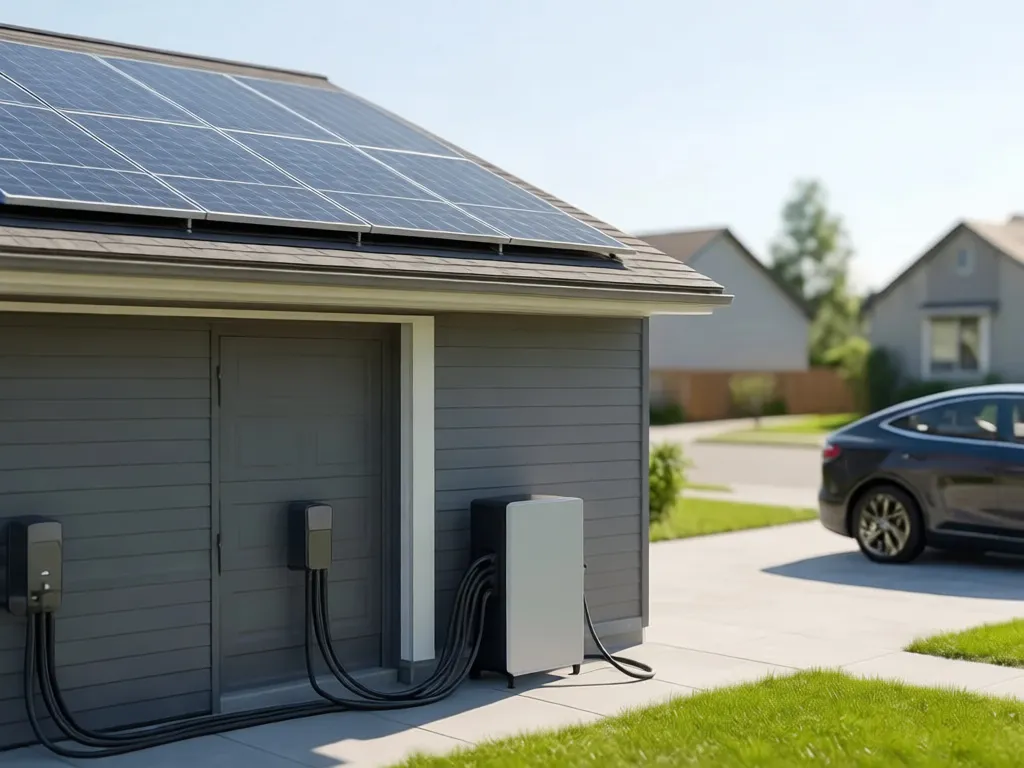
What residential solar changes and what it does not
Residential solar changes where your electricity comes from. Instead of relying only on grid power, part of your household demand can be met on site by panels on your roof or nearby property. That can reduce emissions tied to electricity use, especially where the grid still depends on fossil fuels.
It does not make a home fully independent in most cases. A grid connected solar system still depends on the utility network, weather, season, and your own demand pattern. That distinction matters because people often use the words payback and energy independence as if they mean the same thing, when they usually describe different outcomes.
Payback is about how long it takes for the system to offset the emissions and other resources used to produce it. Energy independence is about how much of your electricity you can supply yourself and how much you still rely on the grid. A system can have a strong emissions case without making a house self sufficient, and it can improve self supply without delivering the same climate benefit everywhere.
How emissions payback works in practice
Emissions payback is the point at which the greenhouse gases avoided by generating solar electricity are greater than the greenhouse gases associated with making, transporting, installing, and eventually replacing the equipment. The idea is simple, but the result is not one fixed number.
The payback period depends on several variables. The biggest are the carbon intensity of the electricity you replace, the amount of electricity the system generates over its lifetime, and the emissions from manufacturing the panels, inverter, mounting equipment, and other components. If your local grid is relatively carbon intensive, every unit of solar electricity usually avoids more emissions than it would on a cleaner grid. If the grid is already low carbon, the avoided emissions per kilowatt hour are smaller.
System design matters too. A roof with good sun exposure and limited shading will generally produce more electricity than a poor site. A well sized system that matches household use can raise the share of electricity supplied onsite. Poor installation, shading, or oversized equipment can reduce the benefit per panel.
It is also important not to treat emissions payback as a single universal rule. Different studies use different assumptions about manufacturing location, panel type, system lifetime, degradation, and grid mix. For that reason, the most accurate way to think about payback is as a range rather than a precise promise.
Why the electricity grid matters so much
Solar electricity has value because it can replace electricity that would otherwise come from the grid. The climate benefit is therefore linked to the grid mix in your region and to the time when the solar electricity is produced.
In regions with high fossil fuel use, rooftop solar can avoid more emissions than in regions with a cleaner grid. As grids add more wind, solar, hydro, nuclear, and other low carbon sources, the emissions avoided by each additional kilowatt hour of rooftop solar can change. That does not make solar worthless. It means the climate calculation becomes more location specific.
Timing matters as well. Solar produces most during daylight hours. If your household uses much of its power during those hours, more of your consumption can be met directly by onsite generation. If your main demand is in the evening, the system will still reduce grid use over time, but the fit between generation and use is weaker unless storage or flexible loads are part of the setup.
What energy independence means for a home
For households, energy independence usually means reducing reliance on utility electricity rather than leaving the grid entirely. That can include producing some or most of your own daytime electricity, lowering exposure to price changes, or improving resilience during outages when paired with batteries.
There are different levels of independence. A grid tied rooftop system without batteries can reduce bills and emissions while still depending on the grid at night or during low production periods. A system with battery storage can increase self supply and keep essential loads running for longer during outages. Off grid living is a different category altogether and usually requires much more solar capacity, storage, and demand discipline than most urban or suburban homes can support easily.
In practice, the best question is not whether solar makes you independent in an absolute sense. It is how much control it gives you over your electricity costs, carbon footprint, and resilience. Those are related, but they are not identical.
Where batteries help and where they do not
Batteries can improve the match between solar production and household demand. They store excess electricity produced during the day and make it available later, which can raise self consumption and reduce grid imports in the evening.
That helps with energy independence. It can also help emissions in some cases by reducing the need to draw power when the grid is more carbon intensive. But batteries add cost, material use, and their own manufacturing footprint. Whether they improve the overall climate outcome depends on how they are used.
If your goal is primarily resilience, batteries can make sense even when they do not maximize emissions reductions. If your goal is only carbon reduction, a battery is not always necessary. In some homes, a simpler setup with high daytime self use may deliver a strong emissions result without the added complexity of storage.
Household choices that influence emissions payback
The hardware is only part of the story. What happens in the home after installation also matters. Households that shift some energy use into sunny hours can make better use of direct solar generation. That includes running laundry, dishwashers, or other flexible loads when production is high.
Energy efficiency improves the picture as well. If your home uses less electricity overall, a solar system can cover a larger share of demand with fewer panels. Better insulation, efficient appliances, and sensible thermostat settings can all reduce the size of the system needed to reach a given goal.
Maintenance matters in a more limited but still real way. Keeping panels unobstructed by leaves or dirt where appropriate, ensuring the inverter performs correctly, and addressing roof issues before installation all help protect output over time.
How to judge whether solar is a good fit for your home
A useful decision starts with your roof, your usage, and your local electricity context. A home with good sunlight, moderate electricity use, and a relatively carbon intensive grid often has a stronger case than a shaded roof in a region where most electricity is already low carbon.
You should also look at the time profile of your use. If your family is home during the day, solar can cover a greater share of consumption directly. If everyone is away until evening, you may still save money and emissions, but the system will depend more on exporting electricity to the grid and importing later.
Financial payback and emissions payback are related but not the same. A system can make financial sense because of local incentives, retail electricity prices, or net metering rules even if the emissions case is modest. The reverse can also happen. This is why it helps to separate the two questions before making a purchase.
Common misunderstandings about residential solar
One common mistake is assuming that solar always equals zero carbon. Solar panels have manufacturing and supply chain emissions, so the better question is how quickly those are offset through operation and how much pollution is avoided over the system lifetime.
Another mistake is assuming that a rooftop system automatically makes a household independent from the utility. Grid connection usually remains part of the design, even with batteries. Independence is partial unless the home is built to operate off grid.
It is also easy to overfocus on the panels and ignore the rest of the home. A large, inefficient household may need a much bigger system than a more efficient one. In that situation, reducing demand can be a more reliable first step than adding more capacity.
Questions people often ask before installing solar
Does rooftop solar always reduce emissions? No. It usually lowers electricity related emissions when it replaces higher carbon grid power, but the size of the benefit depends on location, generation, system performance, and household use.
Is a battery required for good emissions performance? Not always. Batteries can increase self consumption and resilience, but they also add cost and embodied emissions. Their value depends on your goals and the way you use electricity.
What matters more, the panel type or the grid mix? Both matter, but the grid mix often has the larger effect on avoided emissions. A cleaner grid reduces the emissions benefit of each solar kilowatt hour, while a carbon intensive grid increases it.
Can solar make a home fully energy independent? Only if the system is designed for off grid operation or enough storage and generation are added to cover all demand. Most homes with rooftop solar remain grid connected.
How to think about the decision without oversimplifying it
Residential solar is best viewed as a system choice, not a single purchase. The panels, inverter, roof, local grid, household demand, and optional storage all shape the result. If you want lower emissions, focus on the combination of site quality, system size, and how much of your electricity use can be served directly by solar or by storage later in the day.
If you want more energy independence, define what that means for your home. It may mean lower bills, better outage resilience, or less exposure to utility price changes. Those outcomes overlap with climate goals, but they are not guaranteed by the same design choices.
The strongest projects usually start with reducing demand, then sizing the system to actual use, then deciding whether storage adds enough value to justify its cost and complexity. That sequence keeps the goals clear and makes the tradeoffs easier to judge before installation.
When solar is most likely to deliver a strong result
Solar tends to perform best when the roof gets consistent sun, the home uses a meaningful amount of electricity, the local grid still relies heavily on fossil fuels, and the household can consume some electricity during daylight hours. Add storage or flexible loads where they solve a real problem, not just because they are available.
If those conditions are not present, solar may still be useful, but the case should be evaluated more carefully. The right decision is not always to install the largest system possible. It is to choose the setup that best fits the home, the grid, and the owner’s actual goals.
That is also why residential solar is often discussed in two separate conversations. One is about emissions payback and climate value. The other is about energy independence and resilience. The best projects consider both, but they do not confuse one for the other.