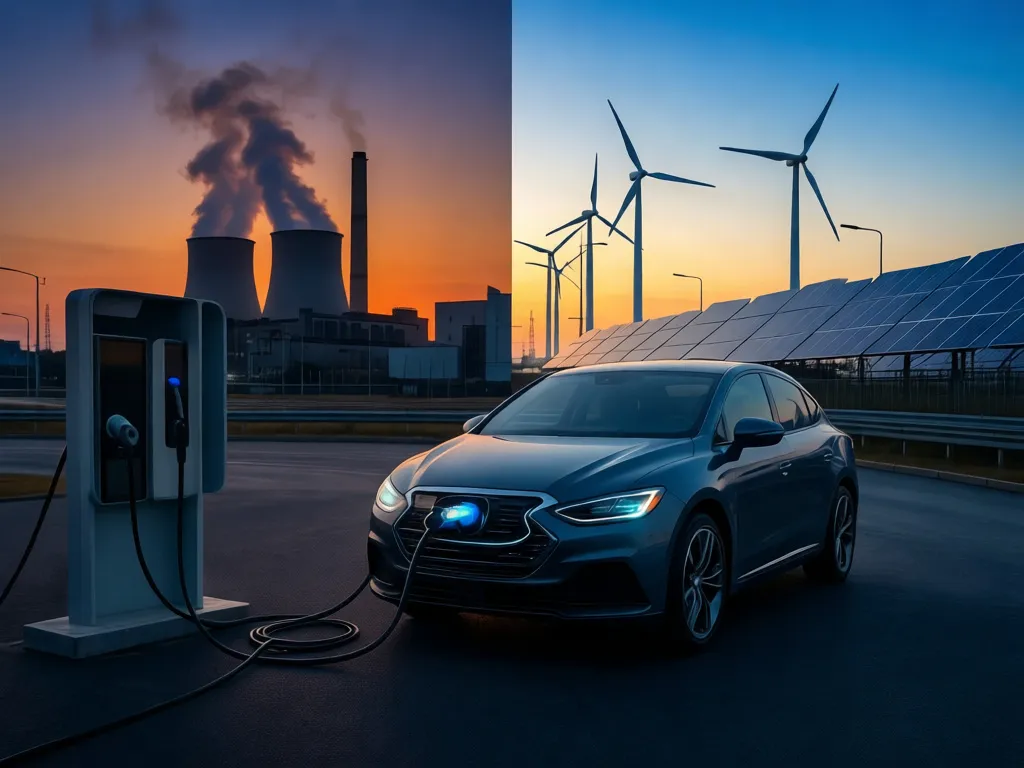
Why charging time matters
Electric vehicles do not produce exhaust while driving, but the electricity used to charge them can still carry emissions. The same charging session can have a very different footprint depending on what is happening on the power grid at that hour. That is why time of day matters as much as electricity source.
Power systems must balance supply and demand every minute. When demand rises, grid operators may need to bring in additional generation. If that extra electricity comes from higher emitting plants, charging at that moment can cause more greenhouse gas emissions than charging at a different time. If demand is lower and cleaner generation is available, the same amount of charging can have a smaller footprint.
This is not only a question for heavy users or fleet operators. Even a private EV owner who plugs in at different times can change the emissions linked to charging, especially in grids where the electricity mix varies across the day.
Electricity source is not always the same as electricity mix
People often ask whether their EV is charged with renewable electricity or fossil electricity. The answer is usually more complex than that. In many places, electricity is pooled through the grid. Once power enters the grid, it is no longer traceable to a single household in a physical sense. What matters for emissions is the overall mix of generation supplying the grid and the specific generators that respond to added demand.
If a home has rooftop solar, some charging may be matched with on site renewable electricity. If a driver buys a green power plan or uses a renewable energy tariff, that can support cleaner generation depending on how the program is structured. But the climate effect still depends on whether the electricity is actually additional and on how the local grid operates. A contractual claim is not the same thing as physical delivery at the exact moment of charging.
That distinction matters because not all electricity agreements reduce emissions in the same way. A certificate based claim may support renewable investment, but it does not always mean the charger was powered by renewable energy at the time of use. For climate accounting, the underlying grid emissions factor and the timing of charging remain important.
How the grid changes through the day
The carbon intensity of electricity can vary across hours because different power plants are used to meet demand at different times. In some systems, solar output is high in the middle of the day, while evening demand rises after the sun goes down. In that case, charging during daylight hours may align better with lower emissions than charging late in the evening. In other systems, the pattern may be different, depending on hydro, wind, nuclear, gas, coal, or imports.
Season also matters. Heating and cooling needs can push demand up at certain times of year. Weather can affect renewable output. Maintenance schedules, outages, and fuel prices can also influence which generators are running. All of this means the carbon impact of charging is dynamic rather than fixed.
For most users, the practical takeaway is simple. If your utility or charging app provides time based emissions information, use it. If it offers off peak scheduling or a clean energy window, those signals can be useful for reducing charging emissions.
Average emissions and marginal emissions are different
When people think about grid emissions, they often use an average emissions factor. This is the total emissions from the grid divided by total electricity supplied. Average intensity is useful for broad reporting and rough comparisons.
But when you add one more kilowatt hour of charging, the important question is often marginal emissions. That means the emissions from the power source that actually ramps up to meet additional demand. The marginal source can be cleaner or dirtier than the average grid mix.
This difference matters because EV charging is a new load. If a grid is already dominated by low emitting generation during a particular hour, the marginal electricity may be relatively clean. If demand rises in a period when gas peaker plants or coal plants are needed, the marginal emissions can be much higher than the average.
For a plain language example, imagine a grid that looks fairly clean on paper because it has a large amount of wind and nuclear energy over the course of a day. If many people charge after dinner, when solar output has fallen and demand is high, the additional electricity may come from a more carbon intensive generator. Charging earlier could lead to lower emissions even if the daily average grid intensity is unchanged.
When smart charging can help
Smart charging lets the vehicle or charger wait for a lower cost or lower carbon window. This can be as simple as setting a timer so the car charges overnight, or as advanced as software that responds to grid signals and price changes in real time.
Smart charging can reduce emissions when it shifts demand away from high carbon hours and toward cleaner periods. It can also help grid stability by avoiding local congestion and peak demand. In regions with strong renewable output at certain hours, the benefits can be meaningful.
That said, smart charging is not automatically low carbon. Overnight charging is not always cleaner than daytime charging. In some grids, the cleanest hours may be mid day because of solar. In others, a wind rich night may be best. The right schedule depends on the local electricity system.
The most useful rule is to follow the cleaner hours in your area, not a generic charging habit. If your utility provides a time of use tariff, carbon signal, or managed charging program, it can help you line up charging with lower emissions periods.
What renewable electricity does and does not change
Charging from renewable electricity can lower emissions, but the benefit depends on how the renewable electricity is sourced and counted. If you have direct access to a dedicated renewable system, such as onsite solar paired with storage, your charging footprint can be much lower during periods when that system covers the load.
For grid supplied electricity, a renewable energy contract or energy attribute certificate may support cleaner generation in a market based accounting sense. That can be valuable, but it does not guarantee that every charging session is matched with physical renewable output. For climate reporting, it is important to know whether you are using location based emissions, market based claims, or a direct metering setup.
This matters for businesses as well as households. A fleet that says it uses renewable electricity should be able to explain whether that claim comes from onsite generation, a utility program, certificates, or another arrangement. Without that detail, the statement can be misleading even if it is technically allowed in a reporting context.
Why location matters too
The same charging pattern can have different emissions in different places. A charger in a region with a high share of coal will typically have a higher emissions profile than one in a region with more wind, solar, hydro, nuclear, or other low emitting sources. Even within the same country, regional grids can differ a great deal.
Location also affects how much the grid changes during the day. A system with abundant daytime solar may reward midday charging. A system with strong night wind generation may make evening or overnight charging cleaner. A grid with heavy reliance on gas may show smaller differences between hours, but even there, the timing of demand can still matter.
If you are comparing EV charging emissions across sites, always ask which grid region is being used, what emissions factor is applied, and whether the calculation reflects annual averages or hourly data.
How to reduce charging emissions in practice
The simplest way to lower charging emissions is to charge when the grid is cleaner and avoid unnecessary charging. That sounds obvious, but the details vary by user.
For home charging, the first step is to check whether your vehicle or charger can delay charging until a chosen time. If your area has cheaper or cleaner off peak periods, use them. If there is a utility program or app that shows lower carbon windows, schedule charging accordingly.
For workplace charging, operators can set charging windows to match available renewable generation or lower grid demand periods. They can also manage charging rates so that many vehicles do not all draw power at once.
For public charging, drivers have less control, but they can still choose chargers and times when possible. If there are multiple locations, a charger powered by onsite solar or integrated into a lower carbon site may be preferable, though the actual benefit depends on the full energy picture.
For fleets, charging strategy can make a large difference. Fleet managers can align departure times, depot charging, and operational constraints so that vehicles mostly charge during cleaner hours. This requires planning, but it can reduce both emissions and electricity costs in many markets.
What to ask before treating EV charging as low carbon
If you want to understand the real climate impact of charging, ask a few straightforward questions. What grid region is supplying the electricity? Is the emission factor an annual average or an hourly value? Does the charging plan shift demand to lower carbon hours? Is renewable electricity onsite, contracted, or just assumed? Are you measuring location based emissions, market based emissions, or both?
These questions help separate broad claims from actual reductions. They are especially important for companies making sustainability statements about EV fleets, charging hubs, or employee charging programs.
It is also worth checking whether the emissions benefit from cleaner charging is being counted properly against other impacts. Manufacturing emissions, vehicle size, electricity use per mile, and charging losses still matter. Cleaner charging helps, but it does not erase every other part of the vehicle footprint.
Common misunderstandings about EV charging emissions
One common misunderstanding is that all EV charging is equally clean because the car has no tailpipe. In reality, the electricity supply determines much of the climate impact.
Another misunderstanding is that charging overnight is always better. That may be true in some grids and false in others. The cleaner period depends on local generation.
A third misunderstanding is that a renewable tariff automatically means zero emissions charging. Contracts can support renewable procurement, but the climate result depends on the full accounting method and the electricity system behind it.
A final misunderstanding is that timing does not matter if the grid average is already falling over time. Long term decarbonization helps, but hourly variation still affects the emissions of each charging session today.
Why this matters for climate reporting
Organizations that track transport emissions need more than a rough estimate of electricity use. They need to know when charging happens, where it happens, and which accounting method is being used. Otherwise, two fleets with the same annual kilowatt hour total could have very different charging emissions profiles.
That is why more detailed data is useful. Time stamped charging records, site level grid factors, and clear renewable energy claims improve the quality of reporting. They also help identify the best operational changes, such as shifting charging windows, installing onsite solar, or improving charger management software.
For readers trying to make a practical choice, the main lesson is straightforward. EVs can lower emissions compared with combustion vehicles, but the size of that benefit depends in part on when and how they are charged. If you care about the climate impact of charging, think about the electricity source and the hour of use together, not separately.
That is also why charging strategy is becoming a design issue, not just a convenience feature. The way charging is scheduled can shape emissions, costs, and grid pressure at the same time, which makes it one of the most important choices in EV operations.
Related questions people often ask
Does charging an EV at night always reduce emissions? Not always. It depends on the local grid and when cleaner generation is available.
Is renewable charging always zero carbon? No. The answer depends on the source, the accounting method, and whether the electricity is directly supplied or matched through contracts.
Why does marginal electricity matter? Because the electricity used for one more charging session often comes from the generator that responds to added demand, not from the grid average.
Can workplace charging be low carbon? Yes, if it is scheduled and managed to align with cleaner electricity and lower grid demand.
How can I find the cleanest time to charge? Use local utility data, charging apps, or grid carbon signals if they are available in your area.