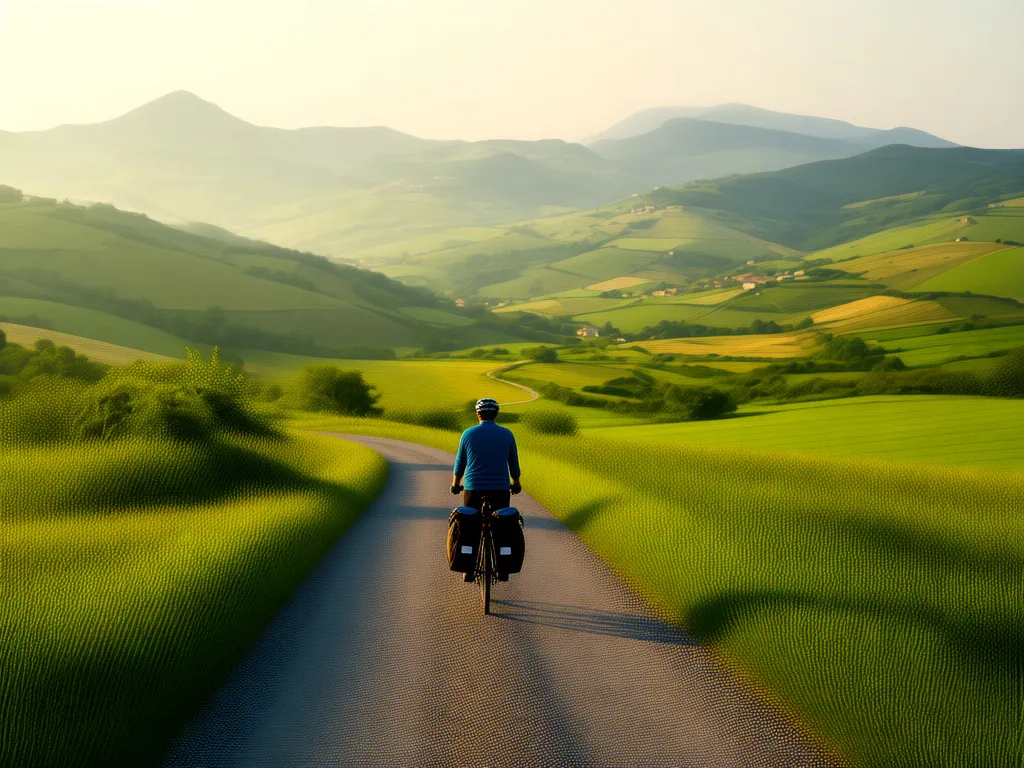
Why slow travel changes the way a trip works
Slow travel is less about one fixed definition and more about a travel style that gives more time to fewer places. Instead of trying to fit many destinations into a short window, you stay longer, move less often, and treat the journey as part of the experience rather than something to rush through.
That approach matters for sustainability because the most resource intensive parts of travel are often tied to transport, repeated packing and unpacking, and a pattern of checking into one place only to move again soon after. It also matters for cost, because the cheapest trip is not always the one with the lowest nightly rate. Transport frequency, dining habits, local transit, and activity choices can change the total budget more than many travelers expect.
Slow travel is not automatically low impact, and it is not always cheaper. But it often creates room for better choices, especially when the itinerary avoids unnecessary flights, long transfers, and constant turnover between hotels.
What sustainability benefits slow travel can offer
The most obvious environmental benefit is reduced transport churn. If a trip includes fewer legs, there are usually fewer opportunities to rely on short flights, taxis, or private transfers. For many travelers, transport is the part of the journey with the biggest footprint, so cutting movement can matter more than trying to optimize every small decision at the destination.
Slow travel can also support lower waste. Staying longer in one place can reduce the amount of single use packaging from takeout meals, repeated hotel amenities, and disposable travel items that often get used briefly and discarded. The exact effect depends on habits, but the pattern is straightforward: fewer move days usually means fewer one off consumables.
Another benefit is that longer stays can make lower impact choices easier to use in practice. If you are not racing between sights, you are more likely to walk, use local transit, shop at neighborhood stores, and eat in a way that fits the area rather than depending on high turnover tourist services. That does not guarantee a lower footprint, but it often changes the default behavior.
Slow travel may also reduce the pressure to see everything, which can indirectly lower consumption. A packed itinerary often encourages paid shortcuts, extra rides, impulse purchases, and rushed entertainment. When the trip is less compressed, the need to buy convenience can fall.
Where the environmental limits are
Slow travel is not a magic sustainability solution. If the trip still requires a long haul flight, that single journey may dominate the footprint even if the traveler stays for weeks. In other words, staying longer can improve the impact per day of travel, but it does not erase the emissions from getting there.
The destination also matters. A long stay in a place with limited public transport, high dependence on car use, or energy intensive accommodation can still create a substantial footprint. Likewise, a trip that looks slow on paper may still be environmentally heavy if it includes frequent long distance ground transfers, oversized vacation rentals with high energy demand, or energy intensive activities.
It is also worth noting that longer stays can increase total resource use if they lead to more meals out, more paid activities, or a larger total number of travel days than the traveler would otherwise take. The point is not to treat slow travel as inherently green. The point is to understand which parts of the trip actually change when you slow down.
How slow travel affects cost
Slow travel can reduce some travel expenses, but it can also raise others. The budget effect depends on the mix of transport, lodging, food, and activities.
Fewer transfers can lower costs because you are buying fewer train tickets, flight segments, airport rides, and luggage related extras. A longer stay can sometimes make transportation more efficient, especially if it allows you to use weekly public transit passes or walk more often. Planning fewer stopovers also reduces the time and money spent on moving between locations.
At the same time, longer stays may bring higher lodging costs if you do not negotiate a better rate or choose accommodation that is designed for extended visits. Food costs can also rise if the trip shifts from occasional restaurant meals to daily dining out. Some travelers spend more because they feel less rushed and more inclined to explore.
There is also an important hidden cost: flexibility. Slow travel can be cheaper when the traveler can stay longer in one place and book well in advance, but it may be less convenient for people with fixed vacation windows, family obligations, or work schedules that limit how long they can stay away. In those cases, the price of flexibility may be more significant than the savings from fewer moves.
Planning a slow travel trip without losing control of the budget
The best way to plan a slow trip is to start with the fixed costs and work outward. Transport to and from the destination is often the first item to check because it can shape the whole budget. If you can avoid an extra flight or reduce the number of transfers, the trip may become simpler and less expensive before you even look at accommodation.
Next, think about lodging in terms of length of stay rather than nightly rate alone. Some places are better suited to a week or more, especially if they include a kitchen, laundry access, stable internet, and a layout that supports ordinary living. Those features can lower food and convenience costs and make longer stays more comfortable.
Then estimate daily spending by category instead of relying on a single average. Local transit, groceries, coffee, entrance fees, and occasional paid experiences all add up differently in each destination. A realistic budget usually comes from identifying where you want to spend and where you are happy to save.
It helps to build in a cushion for the slower pace itself. Many travelers discover that a relaxed itinerary leads to more local experiences, spontaneous meals, or day trips. That is part of the appeal, but it should be reflected in the budget rather than treated as an afterthought.
Choosing destinations that fit slow travel
Not every destination supports slow travel equally well. A good slow travel destination is usually one where you can do ordinary things without constant car dependence, where local neighborhoods are easy to access, and where staying longer feels natural rather than repetitive.
Walkability and transit access matter because they affect both emissions and cost. If daily movement depends on private cars or frequent taxis, the environmental benefit of staying longer may be weaker. Places with compact centers, regional rail, reliable buses, or bike friendly streets often fit the slow travel model better.
Climate and season also matter. A destination may be enjoyable for a long stay in one season but expensive or energy intensive in another because of heating, cooling, or extreme weather. If the trip requires air conditioning all day or heating for many hours, accommodation energy use becomes part of the sustainability conversation.
Finally, think about local capacity and respectful behavior. Slow travel works best when it supports local businesses without overwhelming neighborhoods. Staying longer and buying more locally can be positive, but travelers still need to avoid treating residential areas like temporary theme parks.
How to balance sustainability with comfort
One of the strengths of slow travel is that it often makes more comfortable, lower stress choices possible. You can choose fewer destinations, arrive earlier in the day, and leave room for rest. That comfort can support sustainability because it reduces the need for last minute transport, duplicate bookings, and convenience purchases.
Comfort and lower impact do not always conflict. For example, a centrally located accommodation can reduce taxi use and make walking more realistic. A place with a kitchen can lower both food costs and packaging waste. A longer stay can reduce packing, laundry, and transport between hotels.
But comfort should not become a cover for oversized consumption. A very large rental, daily chauffeured transport, or energy intensive amenities can quickly erase the gains from slower movement. The useful question is not whether a choice feels indulgent. It is whether the choice is necessary for the trip you actually want.
Common mistakes people make when planning a slow trip
One common mistake is assuming that staying longer automatically means lower impact. If the trip still involves a long flight and high daily consumption, the footprint may remain substantial. Longer duration can improve the picture, but it is not the whole story.
Another mistake is choosing accommodation only by nightly price. A cheaper room far from transit may increase taxi use and make the whole trip less practical. A slightly more expensive base in a walkable area can often save money and reduce transport demand.
A third mistake is ignoring the time cost of slow travel. Some travelers focus on sustainability and budget, then discover that the trip requires more planning, more advance booking, or more time spent in one place than they can comfortably manage. The best plan is the one that fits the actual schedule, not an idealized one.
It is also easy to overlook local norms. A slower trip gives you more time to observe how people move, eat, and shop in the area. That can be a benefit if it leads to better decisions, but only if the traveler remains attentive rather than treating the destination as a backdrop.
Questions people often ask about slow travel
Is slow travel always better for the environment
No. Slow travel can reduce some impacts, especially those tied to repeated transport and convenience behavior, but the total footprint depends on how you get there, where you stay, and what you do during the trip.
Can slow travel be cheaper than a regular vacation
It can be, especially when it reduces transfer costs and supports simple routines like cooking or walking. It can also be more expensive if lodging, dining, or activities are chosen without a budget plan.
What is the biggest sustainability advantage of slow travel
Usually the biggest advantage is fewer moves. Reducing the number of transfers can lower transport emissions, simplify logistics, and make lower impact habits easier to keep up.
How long does a trip need to be to count as slow travel
There is no universal threshold. Slow travel is better understood as an approach. A few days in one place with minimal movement may fit, and so can several weeks if the trip is centered on staying longer and moving less.
A simple way to plan the trip
If you want to plan a slower trip, start with three questions. First, can you reduce the number of long distance moves without losing the value of the trip? Second, is the destination set up for walking, transit, or everyday living? Third, does the budget account for the fact that slower travel may change lodging, food, and activity spending?
From there, build the itinerary around a base rather than a chain of stops. Choose accommodation that supports ordinary routines, keep a buffer for local discovery, and avoid adding extra destinations just because they seem efficient on a map. Slow travel works best when the plan gives you enough structure to stay organized and enough space to adapt once you arrive.
That balance is what makes the style practical. When a trip is less compressed, it is easier to spend money and energy on the parts that matter, and to skip the parts that only exist because the schedule is too tight.
For travelers comparing options, the best next step is often to look at transport first, then lodging, then the daily pattern of spending. Those three choices usually shape the sustainability and cost picture more than any single activity ever will.