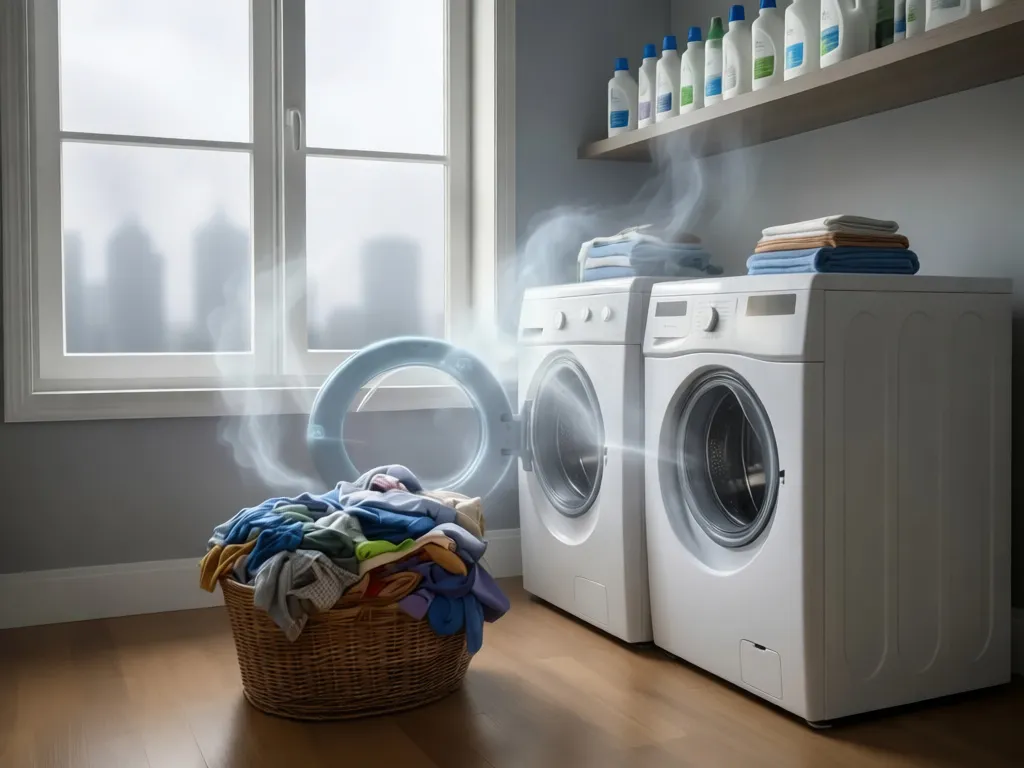
Where laundry emissions come from
Laundry has a climate footprint because it uses energy, water, chemicals, and manufactured goods. The size of that footprint depends on how often clothes are washed, the temperature of the wash, the type of dryer used, the detergent and additives you buy, and how long garments stay in use before replacement.
For most households, the biggest drivers are usually the energy used to heat water and dry clothes, not the act of spinning the drum itself. That means small behavior changes can make a noticeable difference, but only when they target the parts of the process that use the most energy.
It also helps to think beyond the washing machine. Clothing care choices influence how quickly garments wear out, and clothing replacement has its own emissions from fiber production, manufacturing, and transport. In other words, the lowest impact laundry routine is not just about using less power today. It also helps clothes last longer so you buy fewer new items over time.
Why washing temperature matters
Washing in hot water usually raises emissions because the machine or the building system has to heat more water. Cold wash cycles avoid most of that heating demand, which is why they are often the simplest way to cut laundry emissions.
That does not mean every garment should always be washed cold without thought. Care labels exist for a reason. Some heavily soiled items, sanitizing needs, or fabric care requirements may call for warmer water. The practical approach is to use the lowest temperature that still cleans the load well and fits the garment instructions.
For routine laundry, many households can move most loads to cold water and reserve warmer settings for specific cases. If a load is only lightly worn, it may not need a full wash at all. Spot cleaning, airing out clothes, and rewearing items that are still clean are often better options than automatically running a cycle.
Drying is often a major source of emissions
Dryers can add a large share of laundry emissions because they use heat and, in many cases, run for a relatively long time. If your dryer is electric, the footprint depends on the electricity mix and the dryer efficiency. If it is gas powered, the emissions come directly from fuel use.
Line drying or rack drying usually lowers emissions because it avoids most or all dryer energy use. It can also be gentler on fabrics, which may help clothing last longer. That matters because frequent machine drying can cause shrinkage, fading, fiber stress, and elastic wear in some garments.
When line drying is not practical, partial drying can still help. Some people use the dryer only to remove stiffness or finish a load that has already air dried for part of the time. Lower heat settings and shorter cycles can also reduce energy use compared with the longest, hottest option.
There is no single best choice for every home. Space, humidity, climate, schedules, and fabric type all matter. The key is to treat the dryer as a tool for when it is needed, not as the default final step for every load.
Detergents and additives matter, but usually less than heat
Detergents have a footprint too, since they are manufactured, packaged, transported, and eventually washed down the drain. The environmental impact of a detergent depends on its ingredients, the amount used, and the product format.
However, detergent choice is usually not the main emissions driver in laundry. In many cases, energy for heating water and drying clothes is more important. That does not make detergent unimportant. It means the first question should be whether you are using the right amount and the right type for your machine and water conditions.
Using too much detergent can create extra environmental burden and may leave residue on clothing or in the machine. Using too little can reduce cleaning performance and lead to rewashing, which wastes water and energy. Following the manufacturer’s dosing guidance is often a better starting point than adding more by habit.
When choosing among products, practical criteria include whether the detergent works in cold water, whether it is appropriate for your machine type, and whether it is concentrated enough to reduce packaging per wash. Fragrances, boosters, softeners, and stain removers may be helpful in some cases, but they should be used when they solve a real need rather than as routine extras.
How clothing care affects emissions over time
The emissions linked to laundry are not limited to each wash cycle. Clothing care affects how long garments remain wearable, and longer garment life can reduce the need to replace them. Replacement matters because producing new clothing requires raw materials, processing, manufacturing, and shipping.
Simple care habits can extend garment life. Washing less often, closing zippers before laundering, sorting by fabric type, using gentler cycles for delicate items, and avoiding unnecessary high heat can all reduce wear. Air drying also tends to be easier on many textiles than repeated tumble drying.
Repair is another part of clothing care that influences emissions. Replacing a button, mending a seam, or fixing a hem can keep an item in use longer. That may sound small, but extending the useful life of clothing is often one of the most effective ways to lower the footprint associated with what you wear and how you care for it.
This is why laundry decisions should be connected to wardrobe decisions. If someone washes clothes frequently but wears each item for a long time, the total impact can still be lower than buying replacements often because garments were damaged by harsh care. The best routine reduces both operational emissions and unnecessary turnover.
Practical ways to reduce laundry emissions
The most useful changes are usually the ones that cut heat use, avoid rewashing, and keep clothing in service longer. A realistic lower impact routine starts with washing only when needed, choosing cold or cooler cycles when the care label allows it, and drying clothes in the air whenever possible.
Right sizing loads also helps. Running a machine with very small loads can waste energy and water. Overloading can reduce cleaning performance and lead to more cycles or extra rinsing. Aim for the recommended capacity of your machine and let the cycle do its job efficiently.
Detergent use should be measured, not guessed. Many people use more than needed because they associate extra suds with better cleaning, but more detergent is not the same as better performance. The proper dose depends on the product, machine, load size, and soil level.
Fabric choice can play a role too. Some textiles shed more fibers during washing, especially synthetics. Using gentler cycles, washing full loads, and avoiding unnecessary agitation can reduce wear on garments and may help limit fiber loss. When possible, buying durable clothing and caring for it well can lower the need for replacement.
There are also tradeoffs to keep in mind. A full air dry may not always be realistic for every household, and a short dryer finish may be the better choice when it prevents damp clothes from sitting too long or avoids mildew in a small space. The lowest impact option is the one that works in the real home, not just in theory.
What matters most if you want the biggest reduction
If you only change a few habits, focus first on the steps that usually have the largest effect. Reducing hot water use, cutting dryer dependence, and avoiding unnecessary washes tend to matter more than fine tuning smaller details.
Detergent selection matters most when it helps you dose correctly, clean effectively in cold water, and avoid repeat washing. Clothing care matters most when it keeps garments out of the replacement cycle for as long as they are still functional and comfortable to wear.
For many households, the biggest mistake is assuming that sustainability comes from buying a special product. In laundry, behavior often matters more than product marketing. A standard detergent used correctly in a cold wash and air dried when practical can outperform a premium product used in a hot, long, partial load with a full dryer cycle.
How to think about laundry emissions without overcomplicating it
It is easy to turn laundry into a search for the perfect setup, but that is rarely necessary. A better approach is to identify the part of your routine that uses the most energy and reduce waste there first. For some homes that is hot water. For others it is the dryer. For others it is rewashing because the dose, load size, or care routine is not working well.
Once those basics are in place, the rest becomes easier. Clothes stay in better condition, loads are more efficient, and the household uses less energy without giving up cleanliness or comfort. That is the practical value of paying attention to laundry emissions: it turns a routine chore into a small but repeatable climate action with everyday benefits.
Good laundry care is not only about lower emissions. It is also about cleaning clothes effectively, avoiding damage, and making the wardrobe you already own last longer.
Internal references for site planning
If this article sits inside a broader sustainability site, it pairs well with related pages about home energy use, textile durability, fabric care, and low impact household habits.