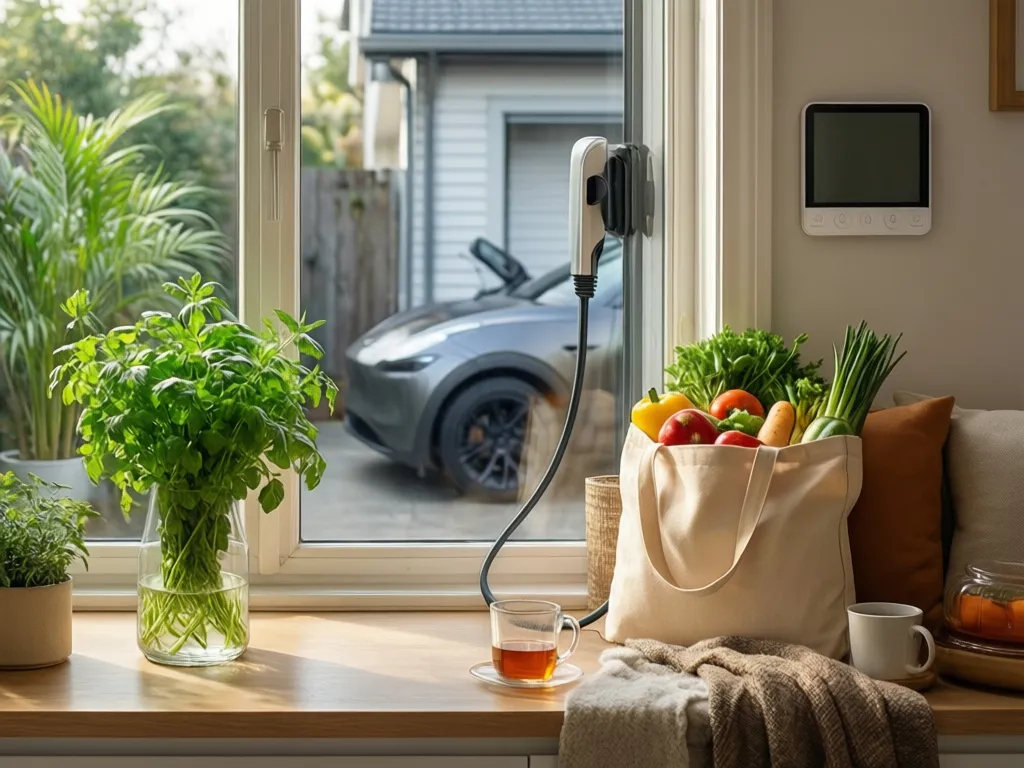
Make decisions by impact per unit of effort
Not all actions are equal. Some choices reduce large amounts of emissions with little disruption. Others require major sacrifice for modest effect. Start by focusing on the first category. That approach keeps daily life intact while delivering reliable reductions.
How to compare options
Use three simple criteria to prioritize: likely emissions reduction, cost and time required, and impact on your lifestyle. Actions that score high on reduction and low on disruption should come first. Examples later in the article show how this works in practice.
Target the biggest sources in most households
For many people, the largest personal emissions come from transport, home energy and food. Targeting those areas gives the most leverage without asking you to live differently in ways you will regret.
Transport
Choose cleaner ways to get around that match how you already like to travel. If you commute by car, consider switching to a fuel efficient or electric vehicle when replacement is due. If you enjoy weekend road trips, plan routes that reduce backtracking and combine errands to cut miles. Where public transit is practical, try it for a few days to compare comfort and convenience. Carpooling and occasional ride sharing can reduce emissions without removing the flexibility to go where you want.
Home energy
Improve comfort and reduce energy waste with targeted upgrades. Insulation, sealing gaps around windows and doors, and installing programmable thermostats tend to cut energy bills while making homes quieter and more stable in temperature. When it is time to replace heating or cooling systems, prioritize high efficiency models and consider low carbon alternatives that suit your climate, such as heat pumps in many regions. Switching to a low carbon electricity plan or a certified renewable supplier where available can also lower emissions with no change to daily routines.
Food
You do not have to become vegetarian to reduce food related emissions. Small shifts matter. Add a few plant forward meals per week, choose lower impact animal products when you do eat meat, and reduce food waste by planning meals and storing food properly. These changes preserve taste and variety while lowering your footprint.
Practical swaps that preserve quality of life
These are specific, achievable actions that most people can adopt without feeling deprived.
Retrofit incrementally
Make home improvements one at a time. Start with low cost, high return steps such as LED lighting upgrades, efficient showerheads and smart thermostats. Tackle insulation and window sealing next. Financing options, energy company rebates and government programs can reduce upfront cost for larger upgrades.
Choose appliances for long term value
When buying new appliances, pick energy efficient models sized to how you actually use them. A slightly larger upfront cost often pays back through lower running bills and better performance. Durable appliances reduce the need to replace items frequently and usually maintain comfort and convenience.
Change commute habits strategically
If you cannot avoid driving, reduce single occupant miles first. Try combining trips, shifting to off peak travel, or doing one or two days per week from home if your job allows. If public transit is viable, use it on days when you want to relax or read instead of driving. For those who enjoy cycling, a cargo bike or e bike can replace many short car trips while adding convenience.
Fly less without missing experiences
Travel is often a source of high emissions, especially long haul flights. Keep the trips that matter most and substitute other trips with local adventures. Extend stays to reduce the number of flights taken per year. When flying is unavoidable, consider direct flights where possible and prioritize experiences that would be difficult to replicate at home.
Money smart moves that reduce emissions and often save cash
Some investments lower emissions and pay back over time in energy bill savings. Treat these like home improvements with both environmental and financial value.
Insulation and sealing
Proper insulation and air sealing reduce heating and cooling needs while improving comfort. These measures often have predictable payback periods and make homes less drafty and quieter, which many people value.
Efficient heating and cooling
Replacing an old furnace or air conditioner with a modern high efficiency model or a heat pump can cut energy use significantly and usually improves indoor comfort. Look for installers with good customer reviews and warranties to protect the investment.
Switch to efficient lighting and controls
LED bulbs, dimmers and occupancy sensors reduce wasted light without affecting the quality of illumination. Smart controls let you match comfort to real needs so rooms are lit or heated only when they are used.
Everyday habits that are easy to keep
Small routine changes can stack up without feeling like a sacrifice. Choose a few to try and keep the ones that suit you.
Plan meals and reduce waste
Meal planning and proper storage reduce trips to the store and the chance of food spoiling. Leftover friendly recipes reduce waste and often produce meals you enjoy just as much as freshly cooked dishes.
Buy fewer but better items
Value durability and repairability when you shop. A higher quality coat or pair of shoes that lasts years can be more enjoyable and cheaper over time than repeatedly replacing cheaper items. Repair services and secondhand markets extend product life while keeping the things you love.
Use services, not ownership, where it fits
For items you use infrequently, renting or borrowing can save money and emissions while preserving access to the product when you need it. This works well for tools, specialized sports equipment and formal wear.
How to measure progress without obsession
Tracking can help you see what works and reinforce behavior, but it should not become an overwhelming chore. Pick a small set of indicators and check them periodically.
Simple tracking ideas
Track household energy use through utility bills to see seasonal patterns and the effect of upgrades. Monitor fuel use or miles driven per month if you own a car. Use a food waste log for a few weeks to identify avoidable losses. These data points are practical and directly tied to the actions described above.
Use tools but beware of overprecision
Apps and calculators can estimate emissions and make comparisons easier. Use them for direction rather than exact accounting. The goal is to find high leverage actions and stick with them, not to produce a precise emissions inventory unless you need one for reporting.
Decision rules to avoid trade offs that hurt quality of life
Apply simple rules when choosing actions to prevent regret and maintain wellbeing.
Rule 1. Prioritize comfort preserving measures
Choose changes that improve or maintain comfort. Better insulation, efficient appliances and improved ventilation usually increase home comfort while reducing emissions.
Rule 2. Avoid solutions that add hassle
If an option requires constant attention, complex maintenance or frequent compromise, deprioritize it unless its impact is uniquely large. Sustainable habits are more likely to stick when they fit normal life patterns.
Rule 3. Test before committing
Try small experiments. Replace one weekly meal with a plant based alternative for a month to see how it feels. Try public transit for a week during a low stakes period. Test an e bike on a rental before buying. Short trials reduce the chance of wasted time and money.
How to pay for bigger changes
Large upgrades can be financed without harming living standards by using rebates, low interest loans and energy company programs. Prioritize measures with strong financial returns and check local incentives that reduce upfront cost. Consider spreading upgrades over time to match your budget while still making steady progress.
Actions that require more thought
Some interventions can be effective but need careful choice to avoid unintended trade offs. Carbon offsets, for example, can play a role for unavoidable emissions but require scrutiny to ensure they support real, additional and lasting reductions. When buying offsetting or removal services, choose well verified programs and treat offsets as complementary to direct reduction, not a substitute.
Bring others along without preaching
People are more likely to adopt new habits when they see peers enjoying them. Share practical wins with friends and family, invite them on low carbon outings that are still fun, and swap tips rather than moralizing. Collective action at the household or neighborhood level can unlock shared solutions such as group solar purchases or car shares that preserve convenience while cutting emissions.
Reducing your carbon footprint does not require constant sacrifice. By prioritizing high impact, low disruption actions, making incremental investments that improve comfort, and using simple decision rules, you can lower emissions while keeping the parts of life you value. Start with one experiment this month and build on what fits your life.