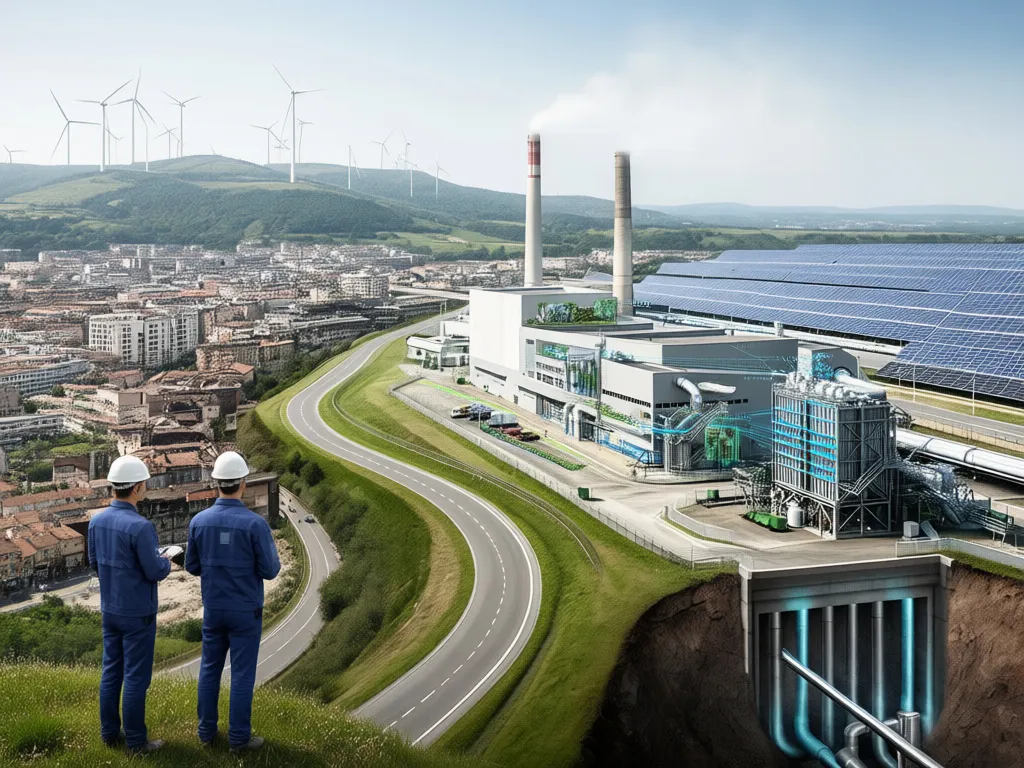
What net zero means in practice
Net zero describes a state where remaining greenhouse gas emissions released into the atmosphere are balanced by greenhouse gas removals so that the cumulative net contribution to warming is effectively zero. The phrase does not mean zero emissions everywhere. It means emissions that cannot be eliminated are counterbalanced by removals that are credible and permanent.
Distinguishing between emissions reductions and removals is central. Emissions reductions shrink the flow of greenhouse gases produced by activities such as burning fossil fuels, manufacturing, or land use change. Removals extract and store greenhouse gases from the atmosphere by methods such as restoring ecosystems, increasing soil carbon, or deploying engineered removal technologies. For a pathway to be realistic and credible both strands must be present, with emphasis on rapid reductions first.
Key principles that make a net zero pathway credible
Prioritize deep, early emissions cuts
A credible pathway begins by reducing emissions across operations and value chains rather than relying on removals to offset business as usual. Reductions reduce near term warming and reduce the total quantity of removals required later. This principle affects planning, capital allocation, procurement, and product design.
Account transparently across sources
Net zero plans must be based on an emissions inventory that covers the relevant categories for the organization or jurisdiction. For companies this typically includes direct emissions, purchased electricity emissions, and the most material upstream and downstream emissions. Reporting boundaries should be explicit and changes over time documented so progress is trackable and comparable.
Set near term milestones aligned with science
Long term ambitions need interim targets that are neither vague nor optional. Milestones bring accountability and allow course corrections. Near term milestones also influence technology choices and investments, which can determine whether low carbon pathways remain achievable.
Prefer permanent, verifiable removals for residual emissions
Where residual emissions remain after all feasible reductions, removals should be selected for permanence, measurability, and independent verification. Temporary or reversible measures can play a role but should not substitute for permanent removals when used to claim net zero outcomes.
Avoid double counting and ensure additionality
Removals and emission reductions used to net out emissions must not be counted by more than one actor. Actions used to claim progress should be additional to what would have occurred without the intervention. This preserves environmental integrity and maintains trust in commitments.
Step by step: building a realistic net zero pathway
-
Create governance and assign accountability
Start by assigning clear senior accountability for the net zero ambition and integrating it with existing financial and strategic decision making. Clarify who approves targets, who oversees delivery, and how progress will be reviewed.
-
Build a robust baseline emissions inventory
Compile a comprehensive inventory that captures the most material emission sources for your organization or territory. Use established measurement methods and document assumptions. Where data gaps exist, use conservative estimates and plan to improve measurement over time.
-
Identify reduction opportunities and abatement costs
Map feasible reduction options across operations and the value chain. For each option, estimate potential emission savings, implementation timeline, capital and operational costs, and co benefits such as energy cost savings or reduced operational risk. This produces an abatement curve that helps prioritize actions.
-
Set near term and long term targets
Translate the ambition into specific, time bound targets that cover the major emission categories. Near term targets should be actionable and resource linked. Long term targets should describe the end state for residual emissions and the role removals will play.
-
Plan capital expenditure and procurement
Align investment plans with the pathway. This can mean upgrading equipment, electrifying processes where feasible, investing in efficiency, and changing procurement to favor lower carbon materials and energy. Procurement strategies should include credible low carbon suppliers and contractual clauses to lock in reductions.
-
Design a residual emissions and removal strategy
Estimate the level of residual emissions that remain after feasible reductions and choose removal approaches accordingly. Prioritize removals that are durable and measurable. Consider a mix of nature based restoration projects and engineered removal technologies while building explicit criteria for permanence, verification, and social safeguards.
-
Develop monitoring, reporting and verification systems
Put in place systems for regular measurement and third party verification where appropriate. Transparent annual reporting that reconciles actions, emissions measurements, and removals is essential. Document changes to methods and boundaries so stakeholders can interpret progress correctly.
-
Engage suppliers, customers and stakeholders
Many emissions sit outside direct control. Work with suppliers to reduce upstream emissions through standards, shared investments, or preferential sourcing. Communicate clearly with customers and investors about trade offs and timelines to maintain credibility.
Choosing and evaluating removals
Not all removals are equal. Evaluate options against four criteria. Permanence assesses how long carbon remains out of the atmosphere. Measurability gauges whether the removal can be reliably quantified. Additionality checks that the removal would not have happened without the action. Co benefits and risks examine biodiversity, community impacts, and the risk of displacing other land uses.
Nature based solutions such as reforestation and peatland restoration can deliver ecosystem benefits but require long term stewardship and monitoring to reduce reversal risk. Engineered removal technologies such as direct air capture store carbon in durable reservoirs but currently vary in cost and scale. A balanced approach that favors removals with the strongest evidence of permanence and verifiability reduces exposure to future liabilities.
Common pitfalls to avoid
Relying primarily on offsets rather than cutting emissions
Using removals as the first and main tool to claim net zero delays necessary system changes. Emphasis should be on eliminating emissions first and reserving removals for unavoidable residuals.
Setting vague long term targets without interim action
Ambitions without concrete near term milestones make it hard to track whether the plan is deliverable. Interim targets drive procurement, investment, and operational choices today.
Ignoring scope three impacts
For many organizations a large share of emissions sits in the value chain. Omitting these sources from planning understates the real challenge and creates risk if suppliers do not decarbonize in line with the pathway.
Choosing low integrity removal credits
Not all credits represent durable or additional removals. Prioritize removals that are independently verified and aligned with stringent quality criteria. Avoid mechanisms that create perverse incentives or that are exposed to reversal without contingency plans.
How to measure progress and adjust course
Track a small set of core metrics regularly. Core measures include absolute emissions by category, emissions intensity where relevant, cumulative removals secured and verified, and investment deployed in decarbonization. Regularly publish these metrics alongside a narrative that explains variances and corrective actions.
Review the pathway in light of new evidence, evolving technology costs, and regulatory changes. Adjust targets and tactics when justified, but document why changes were made to preserve transparency. Independent third party review of both inventories and removal approaches strengthens credibility and reduces the risk of reputational harm.
Practical decision criteria for leaders
When evaluating investments or claims ask three questions. First will this action materially reduce emissions within a defined horizon and at reasonable cost. Second does this action lock in lower carbon outcomes across the value chain. Third for any removal used to balance emissions is there clear, independent evidence of permanence and additionality. Answers to these questions help prioritize scarce resources and avoid choices that increase long term risk.
Net zero is not a one off project. It is a long term program that combines technical planning, capital allocation, supplier engagement, and disciplined reporting. The strongest pathways start with deep, early emissions cuts, build out removal capacity only for the remaining unavoidable emissions, and keep records transparent so stakeholders can see both progress and trade offs.
Choosing credible partners, investing in measurement capacity, and setting near term milestones will make net zero an operational goal rather than marketing language. That practical orientation is what makes a pathway realistic and defensible.